
Rethinking Your Hiking Plans When the Trailhead Is Packed
Finding no parking at your intended trailhead can quickly ruin a day that was hoped to be relaxing and enjoyable. Of forcing your vehicle into a spot that is not ideal-like the side of the road or even blocking a gate-think of this as a chance to change your plans. It is important to look at a trailhead as a moment to think carefully. This means checking ways to get in making sure emergency routes are clear and being ready with good alternatives. Changing your plan might mean walking a distance starting later or choosing a different place to go which can help avoid problems with safety or damage to nature.
Understand Parking as an Extension of Your Hike
The journey starts long before you reach the trail. A trail that is very popular can easily lead to a parking area especially if the trail is well known on maps or social media. Before you leave it is an idea to look into the details of how to get there-the size of the parking area the hours of operation and any rules that change with the seasons. These things can change because of fire dangers, construction, weather issues or efforts to protect wildlife.
When you arrive make sure you are parked in a place that is meant for use. It is very important that your car does not block the way for people who need to get through like emergency workers or those who maintain the area. Learn about the rules for staying or stopping by the road. What might seem like a small problem could actually stop services or hurt the people who live nearby.
Don't be tricked if there are a lot of cars around; that does not mean the trail is open. Always watch closely-if the conditions are not what you expected follow the signs. Ask for help instead of trying to make your own way. Pay attention to how the parking lot's filling up as you get ready; once traffic starts it can be harder to get your car out.
Reassess Your Route Based on Parking Conditions
A parking lot shows that a lot of people want to go on the trail but it doesn't say much about the trail itself. More people can cause paths, places where people get stuck and overused facilities like bathrooms and water spots. If you want to have time to get back on time or to move carefully your original plan might not work anymore.
Before you start your trip decide what level of crowding is much. Maybe you decide to change your plan if there is no parking or if walking a long way to the trail is needed. Of pushing forward just because you started, setting these limits can help you make smart choices that keep you safe and happy.
Make sure your backup plan is something that can work. It could mean going to another parking area choosing a version of the hike you wanted or looking at nearby trails that are easier to get to. Always think about how you need to walk how hard the path is and how long it will take to come back. Sometimes something that seems like a shortcut might have parts or busy roads-don't rush to decide.
Think about the people you're with too. A path that is good for hikers might not be right for children or people who are not very fit. Remember that the time it takes to get to a parking spot is part of the whole adventure. Being flexible does not make you a worse hiker; it shows you are smart and ready for changes.
Opt for the Safest Viable Choice
When you pick an alternative safety should come first. Don't just go for the parking spot. Choose one that considers the challenges of getting possible weather changes, tiredness and how easy it is to get back. Compare the options based on if they're legal how far you need to walk possible dangers and what the land is like. If things start to get too complicated maybe it is best to not go hiking all or choose a simpler plan.
Be careful about hiking just because the path looks okay. Roads next to trails often have poor visibility, unexpected things in the way and fast-moving cars. When you are hiking with kids or carrying bags the risks of walking by the road can be worse than the trail. If you can't find a place to park it is better to go back and find a good choice than to try to make a path that is not allowed.
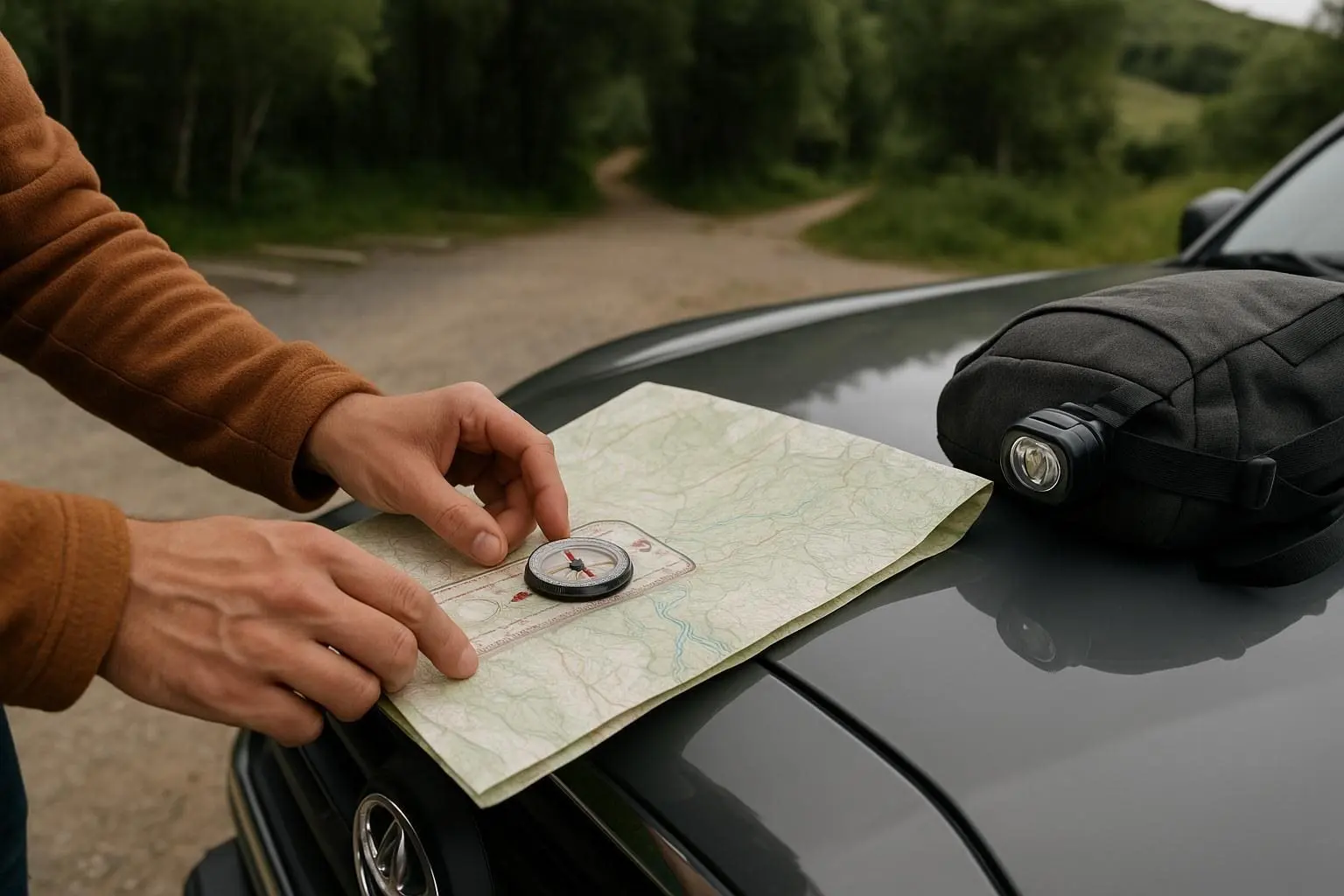
Don't forget to tell someone about any changes in your plan especially if it involves times or places. Update your maps. Make sure your phone is charged. Even though technology helps old tools like paper maps, extra light, the right clothes and enough water are always useful when things go wrong.
Preserve the Environment and Respect Others
Parking behavior is more than about your own day out. How you leave your car can affect the people living nearby. Mistakes like blocking emergency access or hurting plants and animals can have effects. Being careful when parking helps protect the land and the animals that live there.
Use the bathrooms and trash bins that're available. If they are not there take your waste with you. Follow signs about pets, times when the area's closed and places that need extra attention. When a trail is very busy think about alternatives that help not hurt. A shorter, allowed hike or a later visit can still be a time outside while helping to keep the area safe, for everyone.